
Famciclovir for Cats: HerpX and FHV-1 Care in the PH
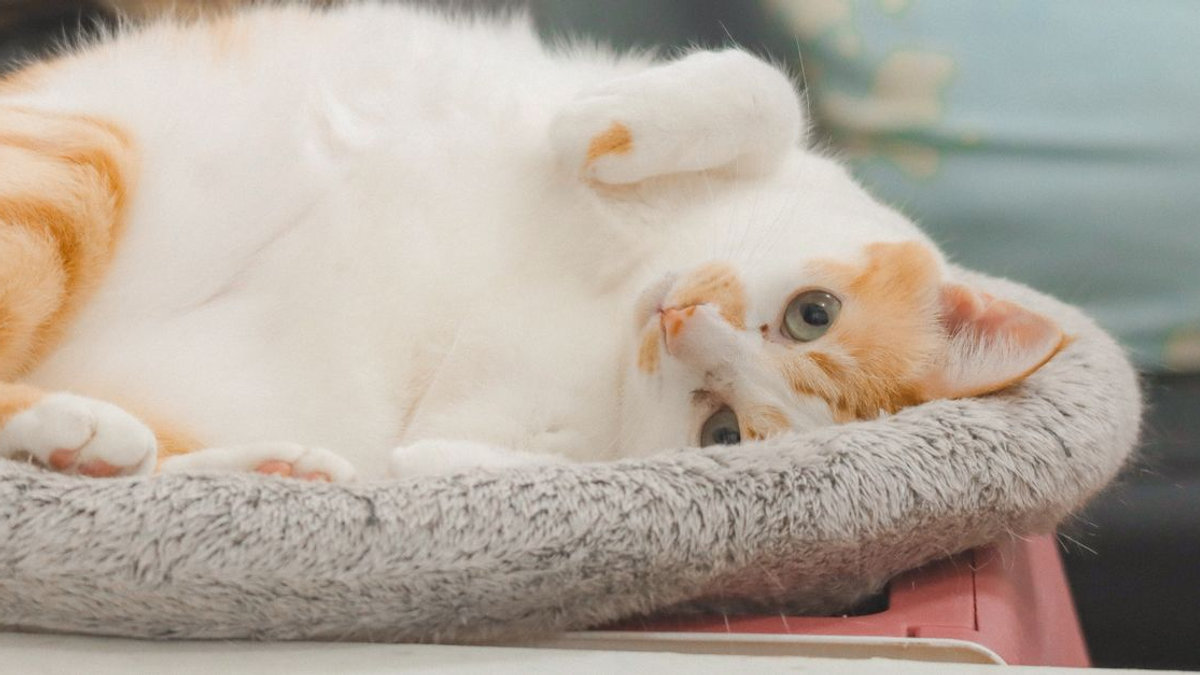
Key takeaway: Famciclovir for cats is an antiviral that a veterinarian may prescribe to help manage feline herpesvirus (FHV-1), the virus behind "cat flu" and recurring eye and respiratory flare-ups. HerpX is BasmiFIP's famciclovir option, used under veterinary guidance. Feline herpesvirus (FHV-1) stays in the body for life, so the goal is not to erase it but to calm flare-ups and get your cat back to eating, playing, and breathing comfortably.
If your cat keeps sneezing, squinting, or developing watery eyes that come and go, you are not alone, and there is a clear path forward. Many Filipino Pawrents face this same cycle, and the right antiviral support can make a real difference. Let's walk through what famciclovir does, what HerpX is, and how you and your veterinarian can keep your cat comfortable.
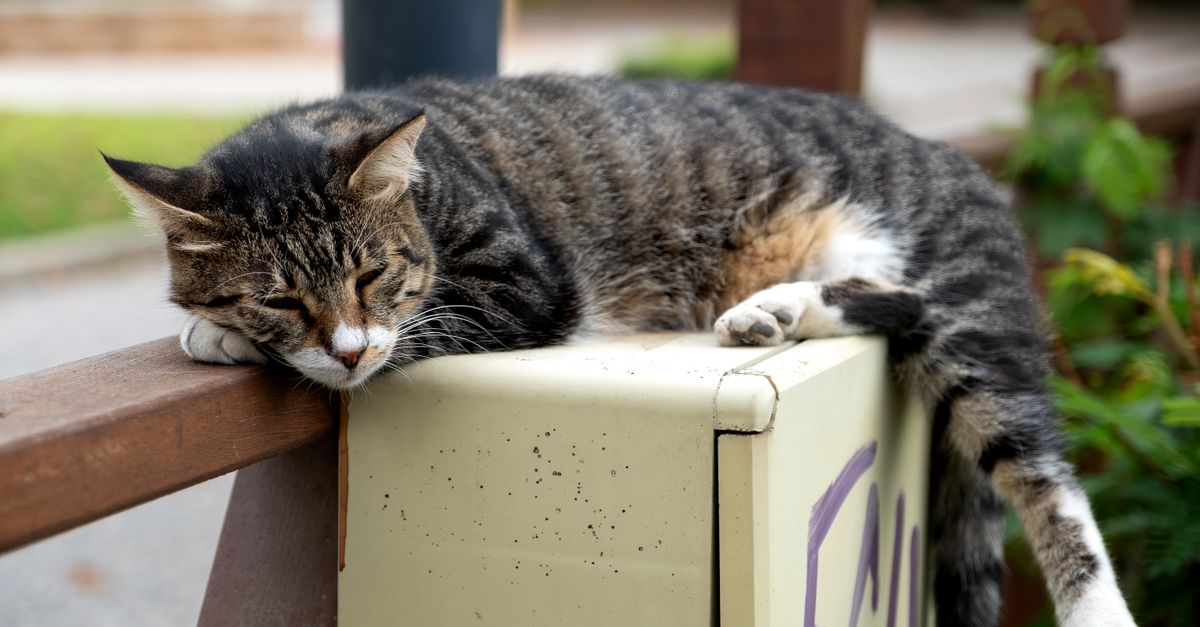
A cat resting comfortably at home.
What is feline herpesvirus (FHV-1) in cats?
Feline herpesvirus (FHV-1) is one of the leading causes of upper respiratory infection in cats, and it is also known as feline viral rhinotracheitis or simply "cat flu." It is a lifelong infection, which means once a cat has it, the virus stays in the body and can flare up again, often when the cat is stressed.
FHV-1 is very common in multi-cat homes, shelters, and anywhere cats live close together. Stress from travel, boarding, a new pet, or illness can wake the virus and trigger a new flare-up.
Because the virus settles in for life, care focuses on reducing and managing flare-ups rather than clearing the virus. That is a hopeful thing to understand: with the right plan, your cat can live a happy, comfortable life between episodes. You can read more in our overview of what feline herpesvirus (FHV-1) is and why it stays.
What is famciclovir for cats, and how does it work?
Famciclovir for cats is an antiviral medicine that veterinarians use to help manage feline herpesvirus (FHV-1). It works as antiviral support, helping to bring flare-ups under control so your cat feels better sooner and gets back to normal.
Unlike antibiotics, famciclovir targets the virus side of the problem rather than bacteria. If a veterinarian sees a secondary bacterial infection on top of a flare-up, they may add an antibiotic for that specific issue, but the antiviral is what supports the viral part of the picture.
The dose, strength, and schedule of famciclovir depend on your individual cat, so these decisions belong with your veterinarian. Never guess at a dose at home. Your veterinarian will choose what fits your cat's weight, age, and overall health.
What is HerpX, and what does it contain?
HerpX is BasmiFIP's famciclovir option for feline herpesvirus (FHV-1), prescribed and guided by your veterinarian. It contains famciclovir only, and it does not contain GS-441524, EIDD-1931, or molnupiravir.
This matters because feline herpesvirus (FHV-1) is a different virus from others you may have read about. HerpX is made specifically as the famciclovir antiviral for FHV-1 flare-ups, not for other feline viruses.
For HerpX dosing and scheduling, your veterinarian is the right guide. They will tailor the plan to your cat, which is always safer than a one-size-fits-all number. If you want a focused companion read, see our guide to famciclovir for cats in the Philippines and HerpX for FHV-1.
What are the signs of a feline herpesvirus (FHV-1) flare-up?
A feline herpesvirus (FHV-1) flare-up usually shows up in the eyes and the upper respiratory tract. The most common signs are sneezing, nasal discharge, eye discharge, squinting, and conjunctivitis (pink, inflamed eyes).
Some cats also develop corneal ulcers or occasional mouth ulcers during a flare-up. Flare-ups often appear after a stressful event, then settle down, and may return later when your cat is stressed again.
Here is a simple way to recognize where FHV-1 tends to show itself:
| Where it shows | What you may notice | What to do |
| Nose and airways | Sneezing, nasal discharge, congestion | See your veterinarian for antiviral support |
| Eyes | Watery discharge, squinting, conjunctivitis, corneal ulcers | Have the eyes checked promptly to protect vision |
| Mouth | Occasional mouth ulcers, drooling, reluctance to eat | Ask your veterinarian to examine the mouth |
| Triggers | Flares after stress, travel, or illness | Reduce stress and support recovery early |
If your cat's flare-up centers on the eyes, our article on cat pink eye and feline herpesvirus (FHV-1) can help you tell whether it is likely viral.
How is feline herpesvirus (FHV-1) treated?
Feline herpesvirus (FHV-1) is treated by managing flare-ups with veterinary-guided antiviral support, alongside good supportive home care. Because the virus is lifelong, treatment aims to shorten and soften each flare-up and keep your cat comfortable between episodes.
Here is how a typical plan comes together with your veterinarian:
- Get a proper diagnosis. Your veterinarian confirms that the signs point to feline herpesvirus (FHV-1) and rules out other causes.
- Start antiviral support. A veterinarian may prescribe famciclovir, such as HerpX, to help bring the flare-up under control.
- Address secondary infections if present. If there is a secondary bacterial infection, your veterinarian may add an antibiotic for that specific problem.
- Support recovery at home. Keep your cat eating, hydrated, warm, and calm so the body can recover.
- Plan for the long term. Because FHV-1 can return, you and your veterinarian set up a plan to spot and manage future flare-ups early.
Supportive nutraceuticals, such as LiverRx or KidneyRx, are not antivirals and do not treat feline herpesvirus (FHV-1). They are only adjunct organ support that some Pawrents use alongside veterinary-guided care, and whether they fit your cat is a conversation for your veterinarian.
Can feline herpesvirus (FHV-1) be cured?
Feline herpesvirus (FHV-1) cannot be erased from the body, because it is a lifelong infection that stays in the cat for life. The good news is that flare-ups can be managed well, so your cat can feel normal, eat happily, and play again between episodes.
Think of it less like a one-time fix and more like a journey you and your veterinarian manage together. With antiviral support such as famciclovir and steady home care, many cats bounce back from flare-ups and enjoy long, comfortable stretches of good health.
Setting that expectation early helps you feel calm and prepared, instead of chasing a cure that no antiviral can promise for any lifelong virus.
How can you reduce feline herpesvirus (FHV-1) flare-ups at home?
You can reduce feline herpesvirus (FHV-1) flare-ups by lowering stress and supporting your cat's overall health, since stress is a common trigger for this virus. A calm, steady home is one of the most powerful tools you have.
Here are practical steps many Filipino Pawrents find helpful:
- Keep routines steady, with regular feeding times and quiet rest spaces.
- Reduce stress around travel, boarding, new pets, and big household changes.
- Keep eyes and nose gently clean during a flare-up, as your veterinarian advises.
- Make sure your cat keeps eating and drinking, since good nutrition supports recovery.
- Separate a flaring cat from other cats when possible to limit spread in multi-cat homes.
- Watch for early signs so you can start veterinary-guided antiviral support quickly.
When you catch a flare-up early and work with your veterinarian on antiviral support, your cat usually gets back to normal faster. That is the heart of good FHV-1 care: fewer, milder flare-ups and more happy, comfortable days.
FAQ
Is famciclovir for cats safe to give at home without a veterinarian?
Famciclovir for cats should always be given under veterinary guidance, because the right dose and schedule depend on your individual cat. Your veterinarian will decide what is appropriate for your cat's weight, age, and health, which is far safer than guessing at home.
Does HerpX cure feline herpesvirus (FHV-1)?
HerpX does not erase feline herpesvirus (FHV-1), because the virus stays in the body for life. HerpX is a famciclovir antiviral option, prescribed with your veterinarian, that helps bring flare-ups under control so your cat gets back to normal.
How is feline herpesvirus (FHV-1) managed?
Antiviral care supports the viral side of feline herpesvirus (FHV-1), which stays in the body for life, keeping flare-ups under control, and a veterinarian may add an antibiotic for a secondary bacterial infection. Each works on its own goal, so your veterinarian decides what your cat actually needs.
What triggers feline herpesvirus (FHV-1) flare-ups?
Stress is the most common trigger for feline herpesvirus (FHV-1) flare-ups, including travel, boarding, a new pet, or another illness. Keeping your cat's routine calm and steady is one of the best ways to reduce how often flare-ups return.
Are supplements enough to manage feline herpesvirus (FHV-1)?
Supplements like LiverRx and KidneyRx are nutraceuticals, not antivirals, so they do not treat feline herpesvirus (FHV-1) on their own. They may serve as adjunct organ support alongside veterinary-guided antiviral care, and your veterinarian can tell you if they fit your cat.
You do not have to face these flare-ups alone, and your cat can feel comfortable again with the right plan. To learn more about famciclovir and HerpX and to find the path that fits your cat, talk with the BasmiFIP team and your own veterinarian about the next step. Every cat is different, so let your veterinarian guide the final decisions on your cat's recovery journey.