
Famciclovir for Cats in the Philippines: HerpX for FHV-1
Key takeaway: Famciclovir is an antiviral that your veterinarian may prescribe to help control feline herpesvirus (FHV-1) flare-ups, and it is the active ingredient in HerpX. Feline herpesvirus (FHV-1) stays in a cat's body for life, so the goal is not to erase the virus but to calm flare-ups fast and get your cat back to eating, breathing easy, and feeling like themselves. Always start with a diagnosis and a plan from your veterinarian.
If your cat keeps sneezing, has watery eyes, or squints through recurring colds, you are not alone. Many Pawrents in the Philippines face feline herpesvirus (FHV-1), and there is a clear, calm path forward.
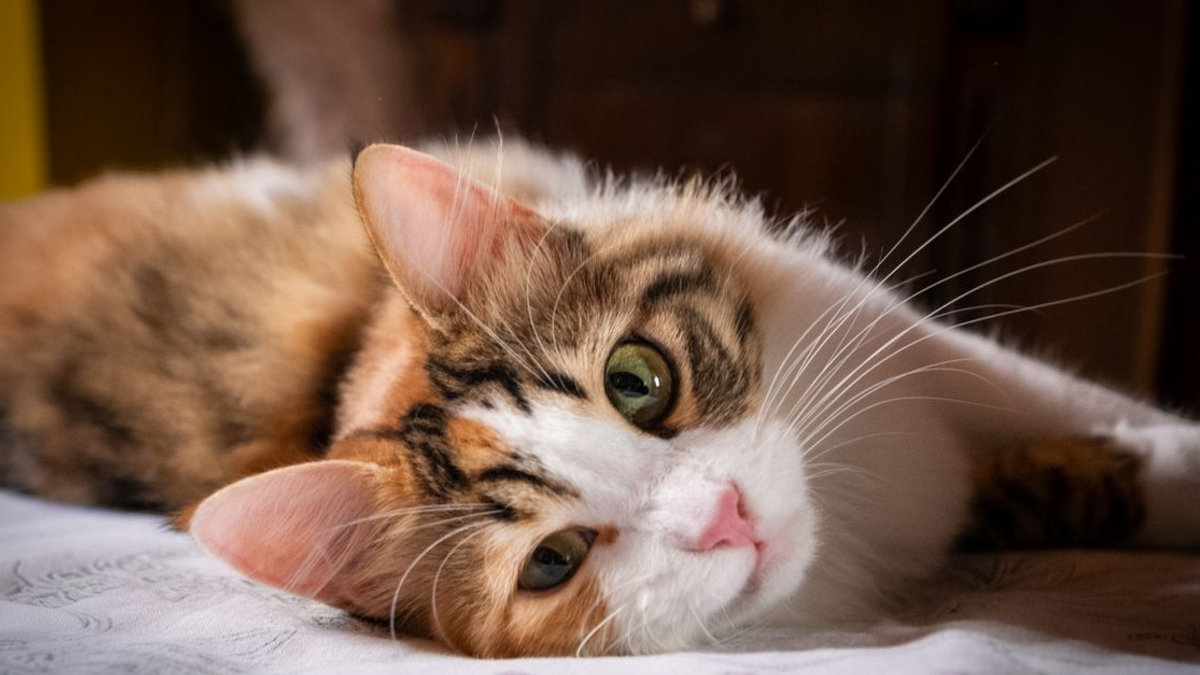
A cat resting comfortably at home.
What is famciclovir for cats?
Famciclovir for cats is an antiviral medicine that veterinarians use to help manage feline herpesvirus (FHV-1), the virus behind most upper respiratory and eye flare-ups in cats. It works by supporting the body against viral activity during a flare, which helps ease symptoms and shorten the rough days.
Famciclovir is the single active ingredient in HerpX. HerpX contains famciclovir only. It does not contain GS-441524, EIDD-1931, or molnupiravir.
Because dosing depends on your cat's weight, condition, and overall health, the right amount of famciclovir is always decided by your veterinarian. We do not publish a HerpX dose or schedule here, and that is on purpose: your vet is the safest guide for how much and how often.
What is feline herpesvirus (FHV-1) and why does it keep coming back?
Feline herpesvirus (FHV-1) is a common virus also known as feline viral rhinotracheitis, or simply "cat flu." It is one of the leading causes of upper respiratory infections and of recurring eye and breathing flare-ups in cats.
The important thing to understand is that FHV-1 is a lifelong infection. Once a cat has it, the virus stays in the body, often quiet, and then reappears during times of stress. That is why care focuses on reducing and managing flare-ups, not on eliminating the virus.
Stress is a common trigger. Moving house, a new pet, boarding, travel, or illness can all wake the virus up. Keeping your cat calm and comfortable is part of good long-term care. If you want a deeper look at why this virus lingers, our guide on why feline herpesvirus (FHV-1) stays in cats explains it simply.
What are the signs of feline herpesvirus (FHV-1) in cats?
The signs of feline herpesvirus (FHV-1) usually center on the nose and eyes. Many Pawrents first notice the symptoms during a stressful week or after a change at home.
Common signs include:
- Sneezing, often in bursts
- Nasal discharge and a stuffy nose
- Eye discharge, watery or thick
- Squinting or holding an eye partly closed
- Conjunctivitis (red, swollen eye tissue)
- Corneal ulcers (sores on the surface of the eye)
- Sometimes mouth ulcers
Cat eye discharge tied to feline herpesvirus (FHV-1) is one of the most common reasons Pawrents book a vet visit. If one or both eyes look red, weepy, or painful, it is worth a check, because eye flare-ups can get uncomfortable quickly. Our article on cat pink eye and feline herpesvirus (FHV-1) walks through when conjunctivitis is viral.
How does famciclovir help feline herpesvirus (FHV-1)?
Famciclovir helps feline herpesvirus (FHV-1) by acting as an antiviral during a flare-up, supporting your cat so the sneezing, eye discharge, and discomfort settle and your cat gets back to normal faster. It is a treatment your veterinarian may prescribe when a flare needs more than supportive home care.
Remember, feline herpesvirus (FHV-1) stays in the body for life, so famciclovir is not meant to clear the virus permanently. Instead, it helps bring a flare-up under control and gets your cat eating, playing, and breathing comfortably again.
Antiviral support like famciclovir targets the flare itself. Good nursing care at home, warm compresses for the eyes, gentle humidity, and reducing stress, works right alongside it.
Is feline herpesvirus (FHV-1) the same as feline calicivirus (FCV)?
No. Feline herpesvirus (FHV-1) and feline calicivirus (FCV) are two different viruses, and they are treated with different antiviral products. Mixing them up is common, because both can cause upper respiratory signs and both can affect the mouth.
Feline herpesvirus (FHV-1) is handled with famciclovir, the antiviral in HerpX. Feline calicivirus (FCV), which commonly causes gingivitis and mouth ulcers, is treated with a different antiviral, CaliciX. If your cat's main problem is severe gum and mouth inflammation, our guide on gingivitis in cats and the feline calicivirus (FCV) link is the better starting point.
| Virus | Common signs | Antiviral option |
| Feline herpesvirus (FHV-1) | Sneezing, nasal and eye discharge, squinting, conjunctivitis, corneal ulcers | HerpX (famciclovir) |
| Feline calicivirus (FCV) | Gingivitis, stomatitis, mouth and oral ulcers | CaliciX (EIDD-1931) |
Knowing which virus you are dealing with matters, because the right diagnosis points to the right medicine. Your veterinarian can tell them apart and choose the correct path.
What about antibiotics for feline herpesvirus (FHV-1)?
For feline herpesvirus (FHV-1), antiviral support is what targets the viral flare, while your veterinarian may add an antibiotic only if a secondary bacterial infection shows up alongside the virus. The two do different jobs, and your vet decides when each is needed.
So if your cat has a thick, colored nasal discharge or another sign of a bacterial complication, do not be surprised if your vet prescribes both. That is a normal, thoughtful plan, not a mix-up.
When should you ask your vet about HerpX?
Ask your veterinarian about HerpX when your cat has feline herpesvirus (FHV-1) flare-ups that keep returning, affect the eyes, or make your cat miserable enough that supportive care alone is not enough. HerpX is the famciclovir option, and it is always prescribed and dosed by a veterinarian.
Here is a simple way to move forward:
- Watch for the signs: sneezing, eye discharge, squinting, or repeat colds.
- Book a vet visit so your cat can be properly examined and diagnosed.
- Ask your veterinarian whether famciclovir, such as HerpX, suits your cat's flare-up.
- Follow the exact dose and schedule your vet gives you.
- Support recovery at home with rest, warmth, gentle eye care, and low stress.
Vaccines help reduce the severity of flare-ups but do not erase the virus, which is why some vaccinated cats still get the occasional flare. Our piece on the real limits of calicivirus and herpesvirus vaccines explains what to realistically expect.
Can supportive supplements help a cat with feline herpesvirus (FHV-1)?
Supportive nutraceuticals can play a helpful role as adjunct organ support alongside veterinary-guided care, but they are not antivirals and do not treat feline herpesvirus (FHV-1) itself. They are there to support the body, not to replace the antiviral plan your vet sets.
For example, LiverRx and KidneyRx are nutraceutical supplements that support liver and kidney health. They can sit beside your vet's treatment plan when appropriate, but the antiviral work for feline herpesvirus (FHV-1) is done by famciclovir, such as HerpX, under your veterinarian's guidance.
Always tell your vet about any supplement you give, so everything works together safely.
How can you reduce feline herpesvirus (FHV-1) flare-ups at home?
You can reduce feline herpesvirus (FHV-1) flare-ups at home by lowering stress and keeping your cat's environment calm, clean, and comfortable, since stress is a major trigger for this lifelong virus. Small, steady habits make a real difference over time.
Helpful home steps include:
- Keep routines predictable, with steady feeding and quiet rest areas.
- Introduce new pets, people, or changes slowly and gently.
- Wipe away eye and nose discharge with a soft, warm, damp cloth.
- Keep food tempting and easy to smell, since a stuffy nose dulls appetite.
- Keep up with vet checks, especially before stressful events like boarding.
If your cat shares a home with other cats, remember that feline herpesvirus (FHV-1) is contagious between cats. Good hygiene and reducing crowding help protect everyone.
FAQ
Is famciclovir for cats safe?
Famciclovir for cats should only be used under veterinary guidance, and your veterinarian will decide if it is suitable for your cat and at what dose. For pregnant, nursing, or breeding cats, ask your veterinarian before using any medicine, since we do not state safety for those groups here.
Can HerpX cure feline herpesvirus (FHV-1)?
No. Feline herpesvirus (FHV-1) stays in the body for life, so HerpX, which contains famciclovir, is used to help bring flare-ups under control and get your cat back to normal faster, not to eliminate the virus. The goal is comfortable, healthy days between flares.
What is the dose of HerpX for my cat?
The correct HerpX dose depends on your cat's weight and condition, and it is set by your veterinarian, so we do not publish a dose or schedule here. Please follow exactly what your vet prescribes.
Is HerpX the same as CaliciX?
No. HerpX contains famciclovir and is used for feline herpesvirus (FHV-1), while CaliciX contains EIDD-1931 and is used for feline calicivirus (FCV). They treat different viruses, so your veterinarian will match the right product to the right diagnosis.
My cat's eyes are watery and red. Is it feline herpesvirus (FHV-1)?
Watery, red eyes, squinting, and sneezing can all point to feline herpesvirus (FHV-1), but only your veterinarian can confirm it, since other conditions cause similar signs. Book a check-up so your cat gets the right diagnosis and the right care.
If your cat is facing recurring sneezes, weepy eyes, or cat flu flare-ups, there is a calm, caring path forward, and you do not have to figure it out alone. Learn more about the feline herpesvirus options and reach out to our team or your own veterinarian through the BasmiFIP Philippines team, who will help you plan the next step with your vet. With the right diagnosis and steady support, your cat can get back to breathing easy and feeling like themselves again.