
Cats and Gingivitis in the Philippines: The FCV Link
Key takeaway: When a cat's gingivitis keeps coming back even with brushing, dental cleaning and antibiotics, Feline Calicivirus (FCV) is often the hidden cause driving the inflammation. Because FCV is a virus, lasting relief usually needs antiviral care that targets the virus itself, not just cleaning and symptom control. CaliciX is the veterinarian-prescribed antiviral your Pawrent toolkit can turn to, and in our own data from 46 treated cats, 87% of cats with FCV treated with CaliciX improved.
If you have been scrubbing your cat's teeth faithfully and the red, sore gums just will not settle, you are not alone. Many Filipino Pawrents reach this frustrating point. The good news is that there is a clear path forward, and it starts with the right diagnosis.
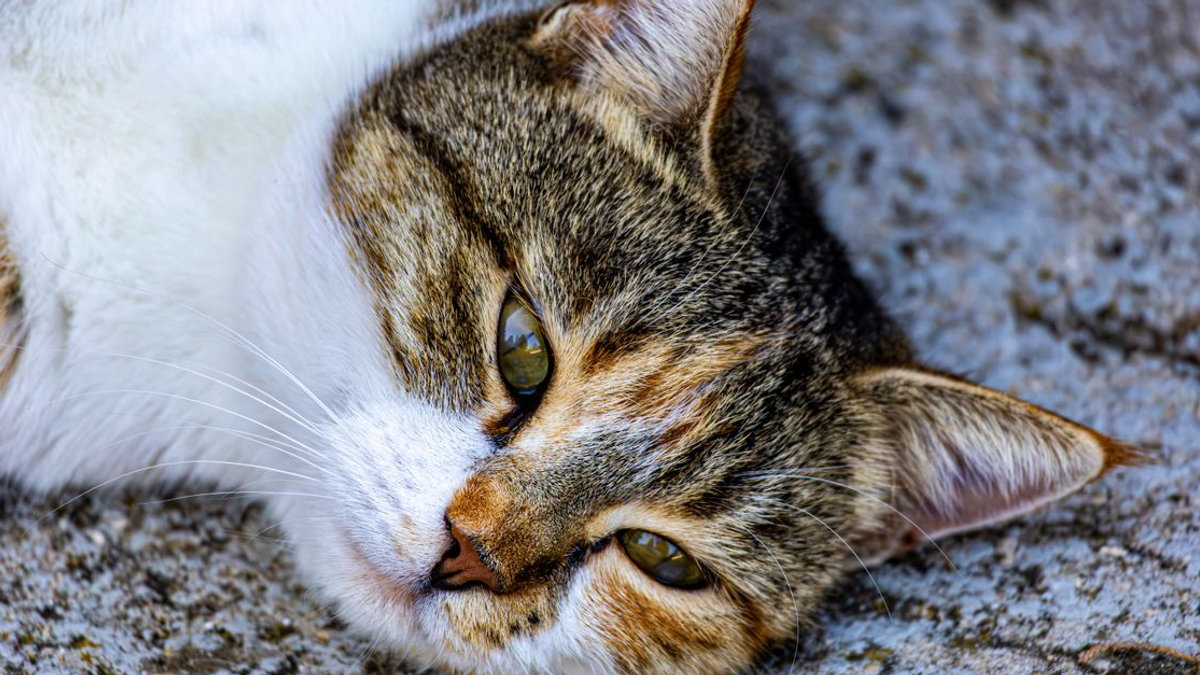
A cat resting comfortably at home.
What is Feline Calicivirus (FCV) and how does it cause gingivitis in cats?
Feline Calicivirus (FCV) is a common feline virus that commonly causes painful mouth disease, including gingivitis, stomatitis, mouth ulcers and viral glossitis. When FCV settles in the mouth, the immune system reacts to the virus and the gums become red, swollen and sore. This is why the inflammation can look so severe and so stubborn.
In many cats, FCV is behind feline chronic gingivostomatitis (FCGS), a long-lasting and very painful inflammation of the gums and mouth tissues. The severe systemic form is called virulent systemic FCV (VS-FCV). Understanding that a virus is at the root helps explain why ordinary dental care alone often falls short.
If you want a deeper look at how this virus connects to mouth disease, our guide on the FCV link in cat gingivitis walks through it step by step.
Why is brushing not enough when Feline Calicivirus (FCV) is driving the inflammation?
Brushing is not enough for Feline Calicivirus (FCV) gingivitis because brushing and dental cleaning remove plaque and tartar, but they do not touch the virus that is fuelling the inflammation. When FCV is the engine behind the red gums, the mouth keeps flaring up no matter how clean the teeth are.
Dental cleaning still matters, and your veterinarian may recommend it. But if the underlying virus is not addressed, the gums often return to the same sore, inflamed state within weeks.
Antibiotics do not treat the virus itself either. A veterinarian may add antibiotics when there is a secondary bacterial infection, yet the virus keeps driving the inflammation until antiviral care targets it. Our article on when cat gingivitis is more than just teeth explains why cleaning alone can leave families stuck in a loop.
What are the signs of Feline Calicivirus (FCV) gingivitis in cats?
The signs of Feline Calicivirus (FCV) gingivitis in cats center on a painful, inflamed mouth. Many Pawrents notice these first:
- Red, swollen or bleeding gums
- Mouth or oral ulcers
- Drooling, sometimes with a bad smell
- Pawing at the mouth or turning away from food
- Weight loss because eating hurts
- Inflammation of the tongue (viral glossitis)
Juvenile gingivitis in younger cats and moderate to severe stomatitis in adults can both trace back to FCV. If your cat suddenly stops eating hard food or cries while chewing, the mouth is likely very sore, and that deserves a prompt visit to your veterinarian.
How is gingivitis treatment for cats different when Feline Calicivirus (FCV) is the cause?
Gingivitis treatment for cats is different when Feline Calicivirus (FCV) is the cause because the goal shifts from cleaning teeth to stopping the virus. Antiviral therapy targets viral replication at the source rather than only managing symptoms, which is what gives many cats real, lasting relief.
CaliciX is the veterinarian-prescribed antiviral used for FCV. It contains EIDD-1931 and is designed to go after the virus that keeps the gums inflamed, rather than just soothing the mouth for a few days.
The outcomes are encouraging. In our own data from 46 treated cats, 87% of cats with FCV treated with CaliciX improved, which means nearly 9 out of 10 cats with FCV treated with CaliciX. Every cat is different, and your veterinarian will guide the plan, but these results give many families real hope after months of frustration.
Treatment and dosing decisions for CaliciX are always made with your veterinarian, so bring your cat in for an exam and let the clinic set the right plan for your cat's weight and condition. You can read more about antiviral care for stubborn cases in our piece on cat gingivitis that never stops.
CaliciX vs CaliciX Max: which is right for your cat with Feline Calicivirus (FCV)?
For Feline Calicivirus (FCV), CaliciX is the standard antiviral for mild to moderate disease, while CaliciX Max is the higher-strength option for severe or refractory cases. Both contain EIDD-1931, and your veterinarian chooses between them based on how serious the mouth disease is.
| Option | Strength | Best for |
| CaliciX | 15 mg per capsule | Mild to moderate FCV: juvenile gingivitis, mild oral ulcers, gingivitis, moderate stomatitis, mouth ulcers |
| CaliciX Max | 30 mg per capsule | Severe or refractory FCV: severe FCGS, caudal stomatitis, ulcerative stomatitis unresponsive to extractions, viral glossitis, virulent systemic FCV, large cats, high viral load or poor response to the standard dose |
There is one important safety point for both. CaliciX and CaliciX Max are not for pregnant, nursing or breeding cats, because EIDD-1931 is not suitable for them. Always tell your veterinarian if your cat is pregnant, nursing or being used for breeding.
How long does Feline Calicivirus (FCV) treatment take, and can the gingivitis come back?
Feline Calicivirus (FCV) treatment usually brings visible improvement over a course of several weeks, and in our own data from 46 treated cats, many cats recovered within 4 to 8 weeks. The painful mouth starts to settle, appetite returns, and cats begin to eat and groom comfortably again.
Relapse is possible, so it helps to set expectations early. In our own data from 46 treated cats, roughly 20 to 30% of cats had a relapse, which is about 1 in 4. If signs return, your veterinarian can reassess and guide the next step.
Keeping stress low, staying on top of dental checkups, and following your veterinarian's plan all help protect your cat's recovery journey. Vaccines have real limits with these viruses, which we explain in our guide to feline calicivirus and herpesvirus vaccines.
Does my cat still need dental care and supportive support for Feline Calicivirus (FCV)?
Yes, a cat with Feline Calicivirus (FCV) still benefits from good dental care alongside antiviral treatment. Antiviral therapy targets the virus, while brushing, professional cleaning and any extractions your veterinarian recommends keep the mouth healthier overall. The two work together.
Some cats recovering from long, draining illness may also benefit from adjunct organ support. Supportive nutraceuticals like LiverRx and KidneyRx are not antivirals and do not treat FCV, but they can be used as adjunct support for the liver and kidneys when your veterinarian feels it is appropriate.
Think of the full plan as a team effort: antiviral care from CaliciX to target the virus, dental care to keep the mouth clean, and supportive care where it helps. For more on sorting dental issues from viral ones, see our overview of when FCV is the cause of cat gingivitis.
FAQ: Cats and Gingivitis and Feline Calicivirus (FCV)
Can Feline Calicivirus (FCV) gingivitis be cured in cats?
Many cats with Feline Calicivirus (FCV) gingivitis improve well with antiviral care, and in our own data from 46 treated cats, 87% of cats with FCV treated with CaliciX improved. Every cat is different and there are no guarantees in medicine, but the outlook for many families is genuinely hopeful when the virus is treated at its source.
Is CaliciX the same as the antibiotics my vet already gave?
No. CaliciX is an antiviral that contains EIDD-1931 and targets the Feline Calicivirus (FCV) itself, while antibiotics only address secondary bacterial infection. A veterinarian may use antibiotics alongside antiviral care, but antibiotics do not treat the virus driving the gingivitis.
How long before my cat's gums look better on CaliciX?
Many cats show clear improvement over several weeks, and in our own data from 46 treated cats, recovery often happened within 4 to 8 weeks. Follow your veterinarian's plan closely and report back if the mouth is not settling.
Can the gingivitis come back after treatment?
It can. In our own data from 46 treated cats, about 20 to 30% of cats had a relapse, which is roughly 1 in 4. If signs return, your veterinarian can reassess and adjust the plan.
Is CaliciX safe for my pregnant or nursing cat?
No. CaliciX and CaliciX Max are not for pregnant, nursing or breeding cats because they contain EIDD-1931. Always tell your veterinarian if your cat is pregnant, nursing or being used for breeding so they can choose a safe plan.
If your cat's gingivitis keeps coming back no matter how carefully you brush, there is a clearer path forward, and you do not have to walk it alone. Learn more about antiviral options and talk with our caring team or your own veterinarian by visiting the BasmiFIP Philippines team. Together, with the right diagnosis and the right treatment, many cats go back to eating, grooming and purring comfortably again.